Knowledge of cultural heritage
Students learn to recognise the historical, artistic, archaeological and identity value of cultural heritage, understanding how places tell the story of communities and the area.
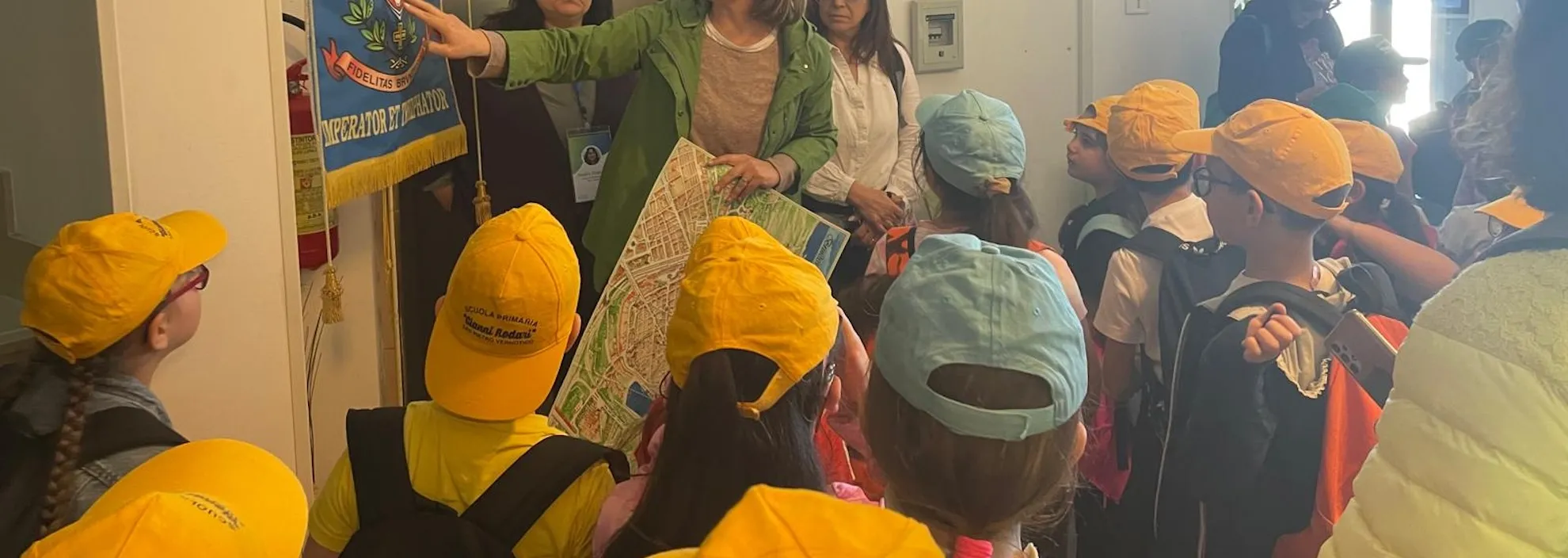
The educational section brings together cultural and learning proposals for schools, teachers, organised groups and training contexts that want to turn a visit into a real opportunity for learning, participation and discovery of the area.
Learning activities are designed through an experiential, inclusive and workshop-based approach: each route can be tailored according to participants' age, school level, available time, class disciplinary and interdisciplinary goals, and any specific educational needs.
Educational workshops, guided school visits, learning activities and heritage routes designed to foster active participation, curiosity, observation and learning through experience.
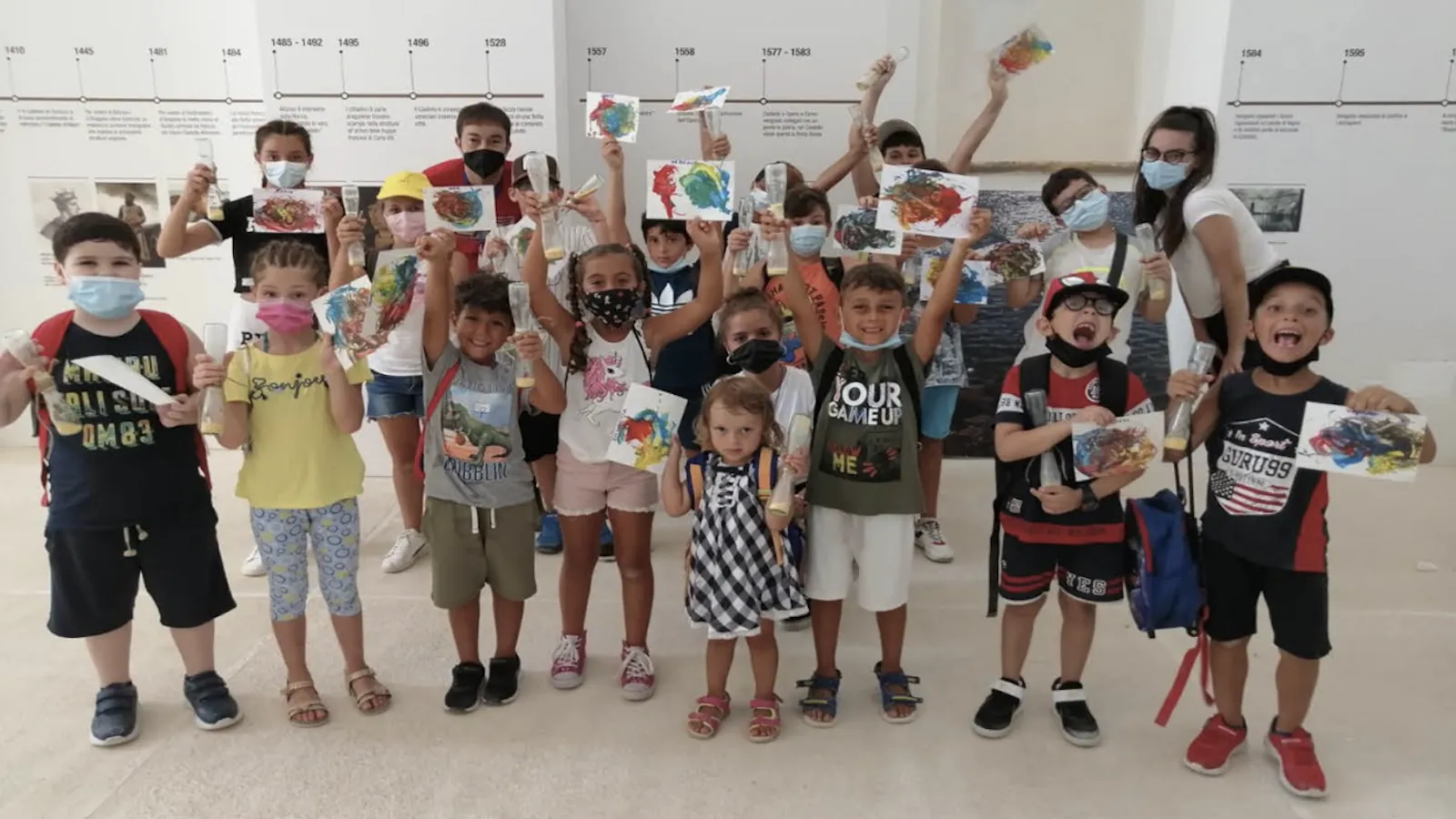
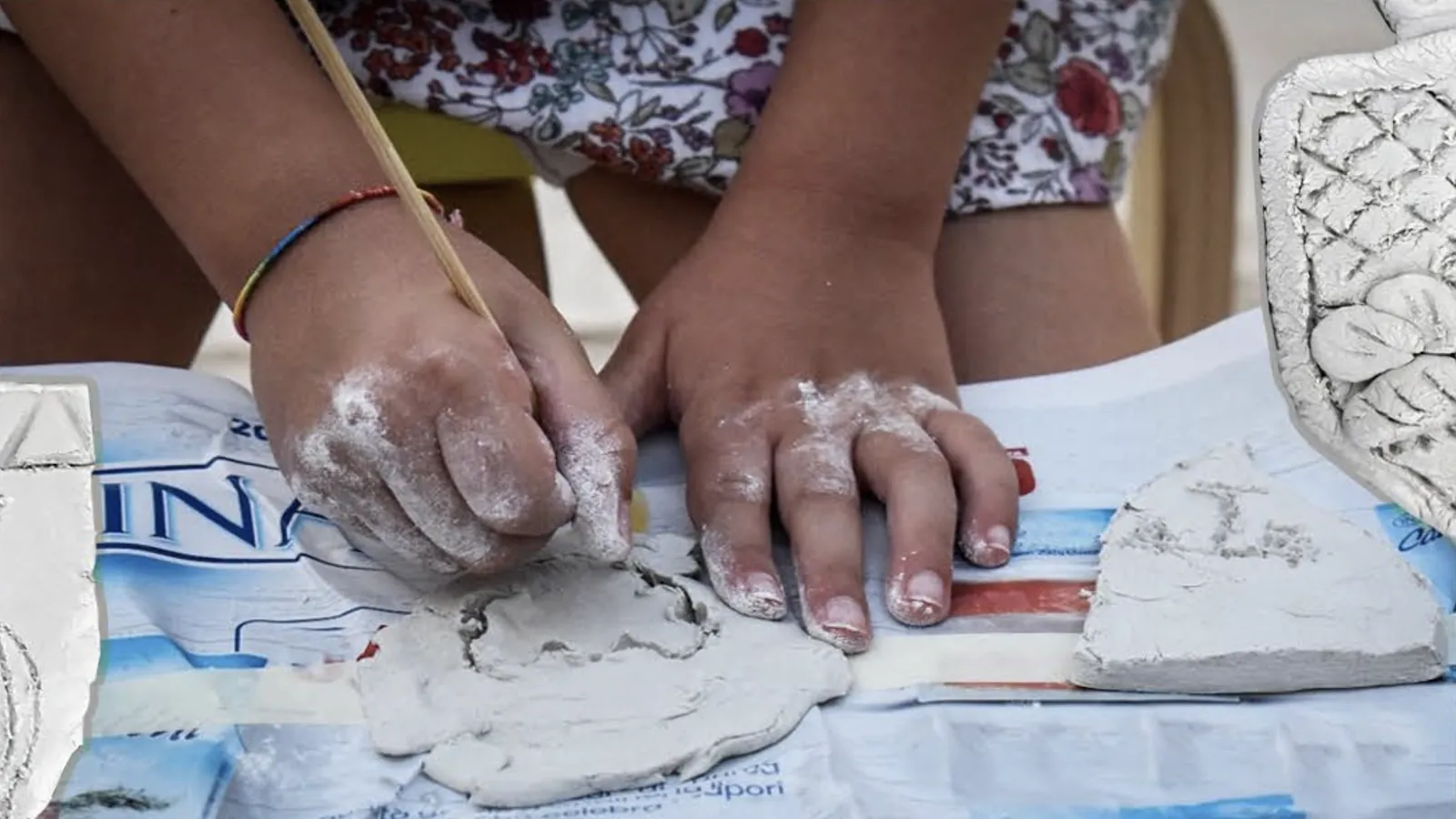
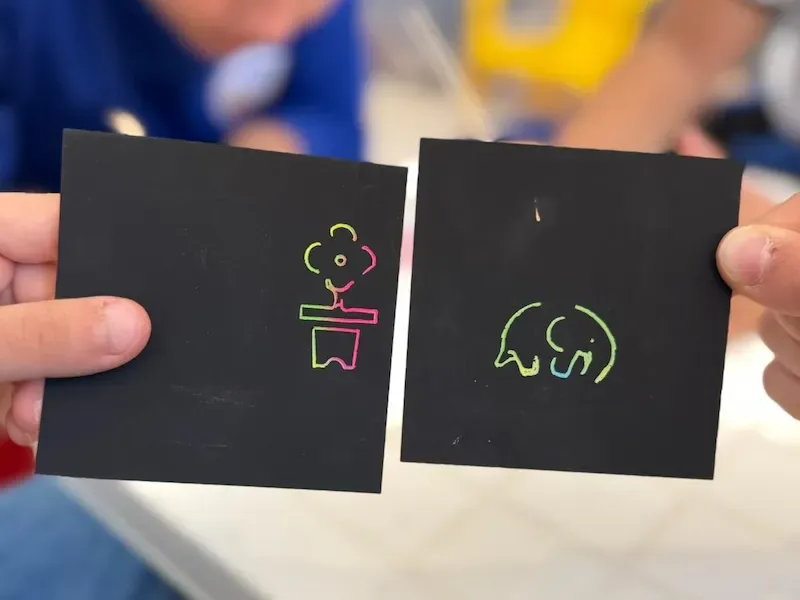
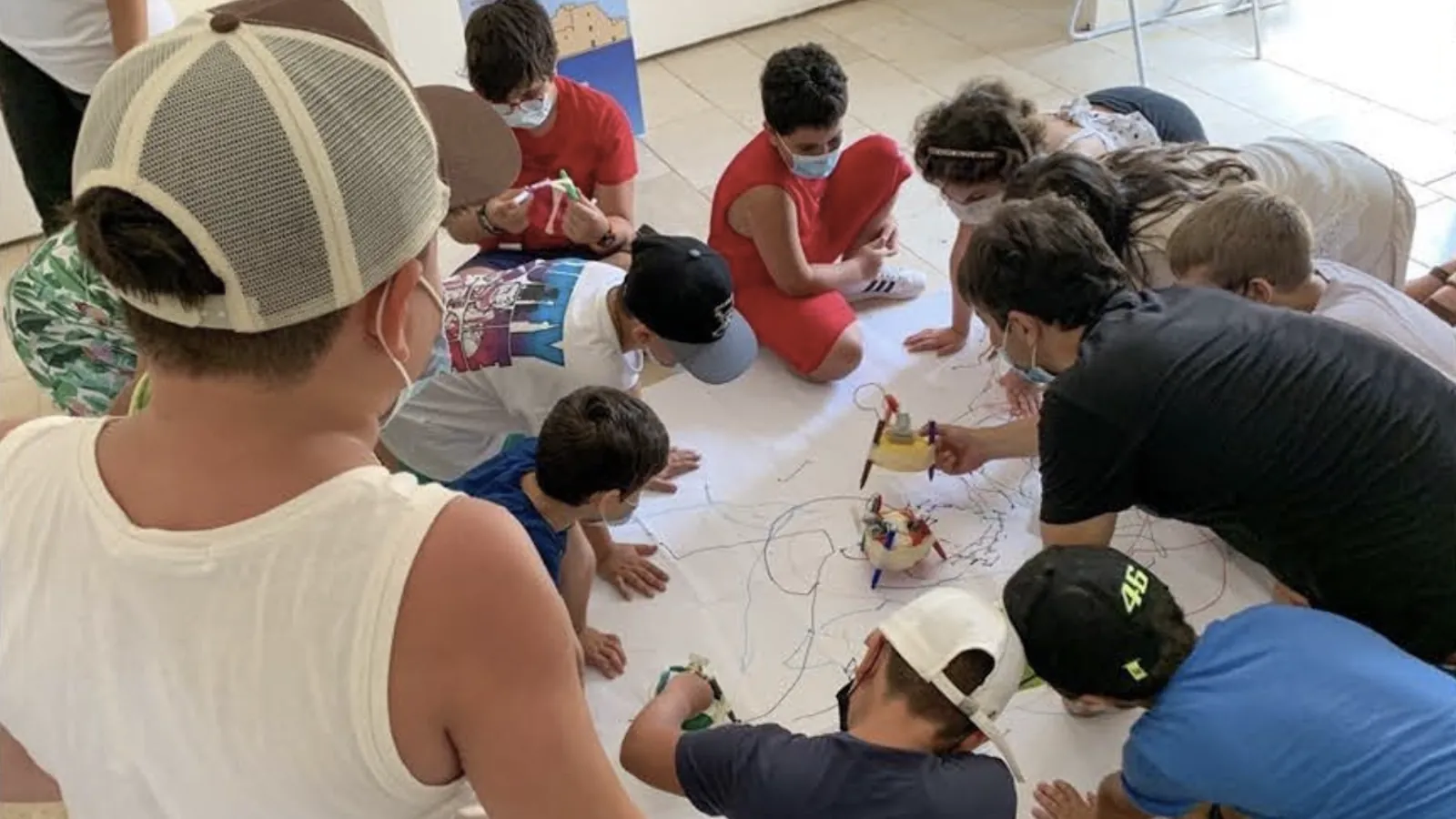
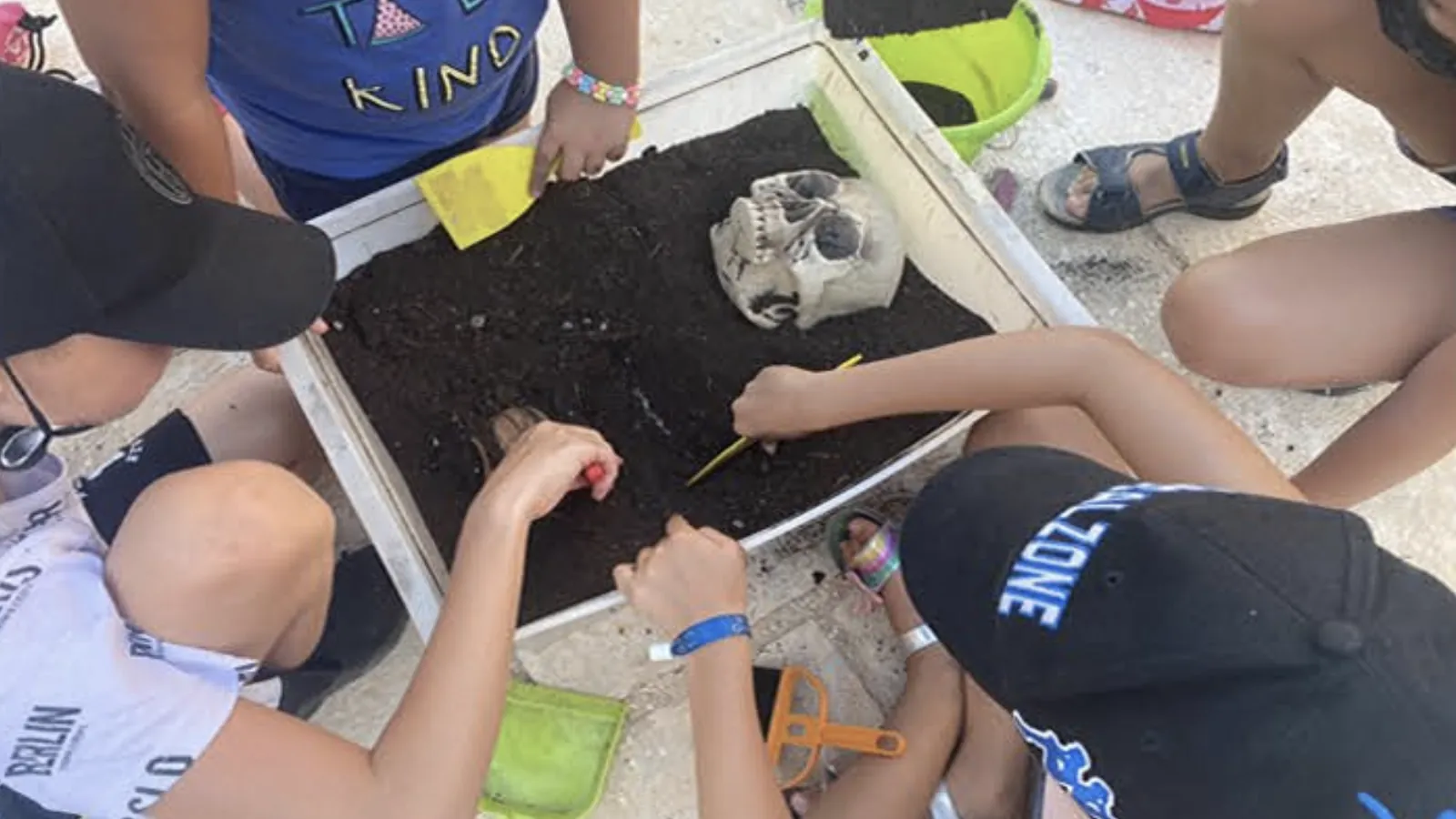
Educational proposals are based on the principle of learning by doing: students take part in activities that lead them to observe, interpret, connect, formulate hypotheses, read details, orient themselves in space and rework what they have discovered.
The workshop-based approach makes it possible to integrate contents from history, art, archaeology, geography, civic education and local knowledge, offering practical support for school trips, interdisciplinary routes and projects that expand the educational offer.
Educational activities for schools do more than transmit content: they help students build tools to read heritage, landscape and the memory of places.
Students learn to recognise the historical, artistic, archaeological and identity value of cultural heritage, understanding how places tell the story of communities and the area.
Through guided visits and workshops, participants develop analytical skills, attention to detail, reading of material traces and interpretation of spaces.
Activities connect history, art, geography, archaeology, civic education and citizenship, building links between subjects and supporting a broader understanding of classroom content.
Direct student involvement strengthens motivation, curiosity, dialogue, collaboration and the ability to personally rework the experience.
Routes are designed to adapt to group characteristics and to support accessible participation, attentive to timing, language and participants' needs.
Educational visits become a tool to read the local context, get to know cultural sites and strengthen the relationship between education, citizenship and shared heritage.
The educational offer can be adapted to different school levels and educational contexts, with language, depth of content and experience structure consistent with the audience.
Activities based on discovery, storytelling, guided observation, sensory experience and an immediate relationship with the place, with special attention to children's active involvement.
Routes that introduce more structured tools for historical and cultural reading, encouraging links between subject content, local context and interpretation of heritage.
Guided visits and in-depth workshops for classes that require greater complexity, critical approach, source reading, historical contextualisation and personal reworking.
Activities can also be structured for extracurricular groups, educational projects, themed experiences, territorial routes and dedicated cultural initiatives.
Each visit or workshop can be organised in a way that matches school planning, number of participants and available time.
Age, school level, number of participants, any specific needs and educational goals are identified.
The most suitable context is selected among castles, historic sites, collections, urban routes or local activities, choosing the most useful educational angle for the class.
The route is adapted to visit time, age group and depth of content, integrating guided visit, observation, dialogue and workshop.
The experience can culminate in an oral, graphic, workshop-based or project output, consolidating learning and supporting an active memory of the visit.
To submit your application, download the PDF form, complete it and send it to servizieducativilecolonne@gmail.com. Alternatively, you can fill in and submit the form through the simplified online procedure by clicking the button below.
For each managed site, activities are offered that take into account the site's historical, architectural and cultural specificities, with the aim of building a constructive relationship between cultural heritage, students and territory.
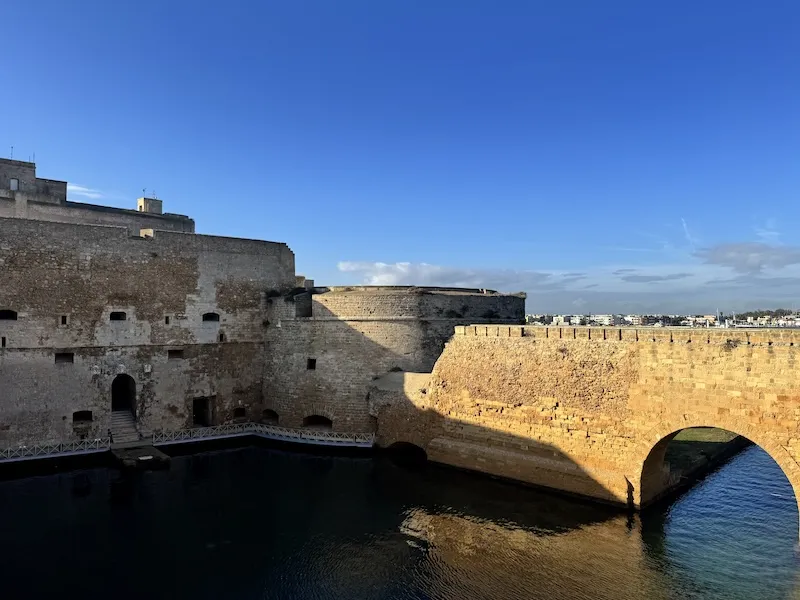
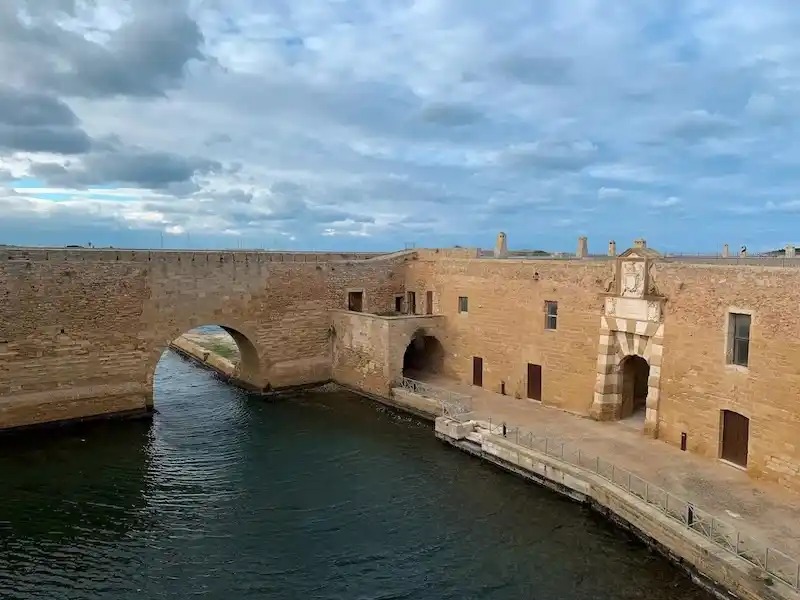
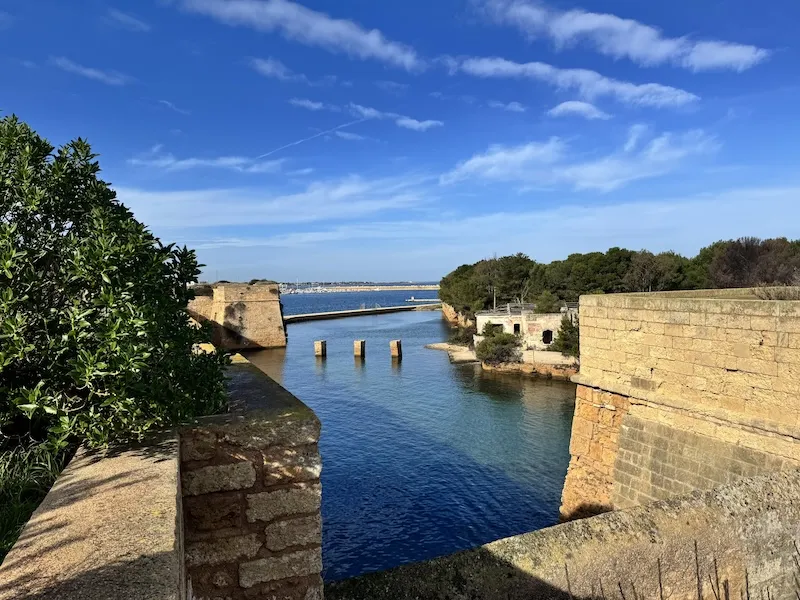
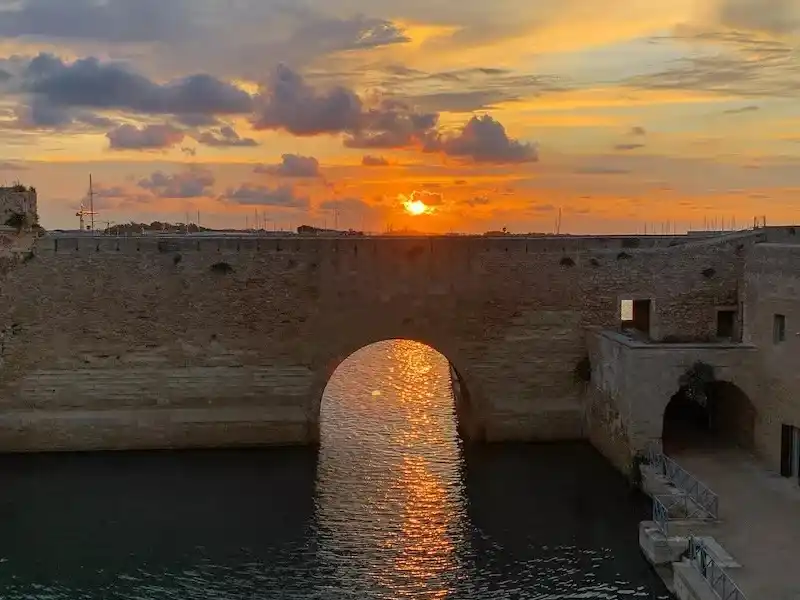
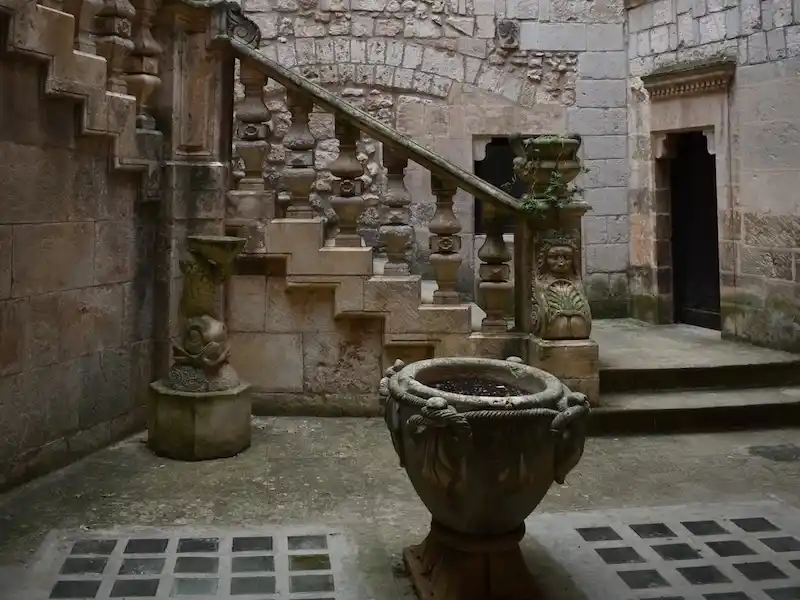
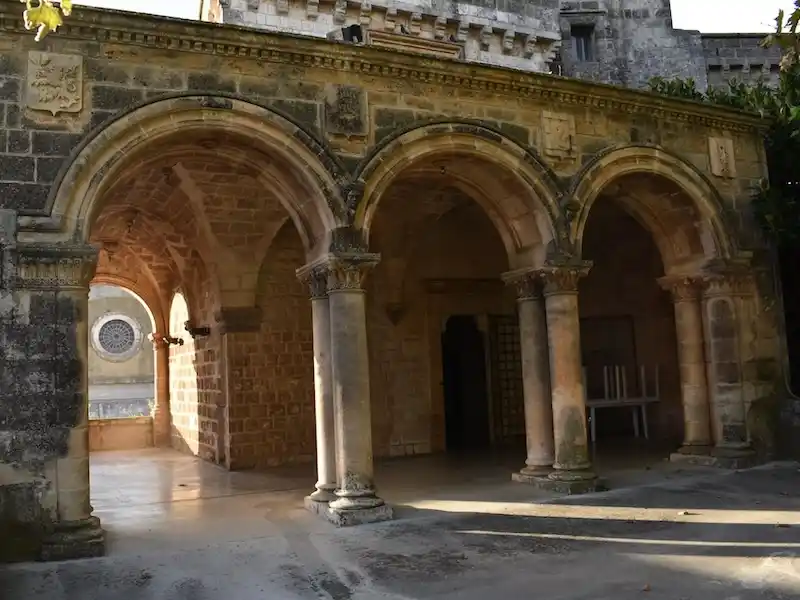
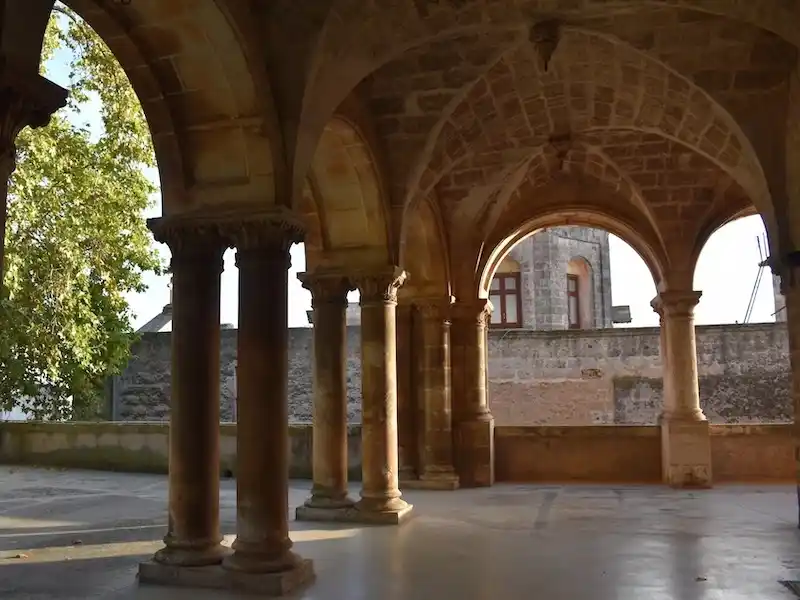
Educational routes and workshops for schools dedicated to the historical, architectural and cultural reading of the monumental complex, with a focus on fortifications, coastal landscape, port defence and the memory of the territory.
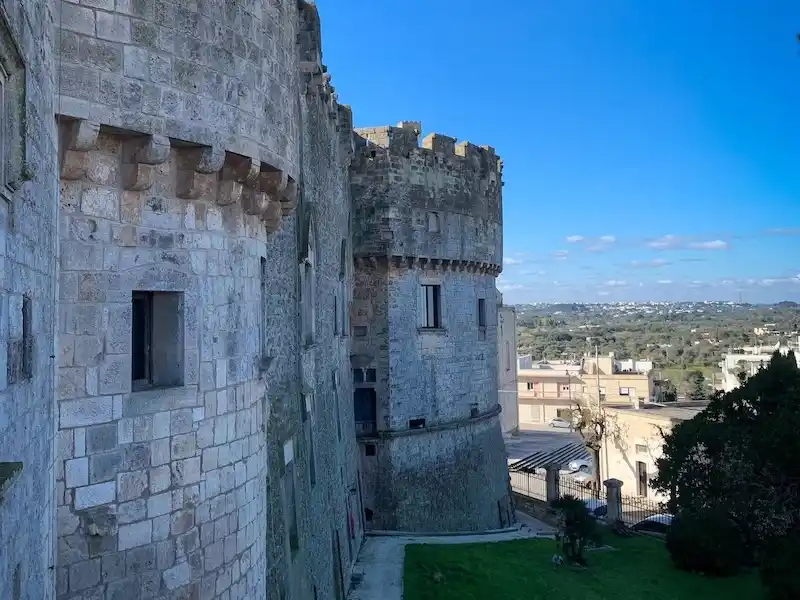
Educational visits and activities for classes and school groups aimed at discovering the castle, its architectural language, local history and the relationship between community, identity and heritage.
Educational experiences for students dedicated to archaeology, observation of finds, interpretation of material sources and building links between ancient history, city and Mediterranean landscape.

Educational paths for schools dedicated to artistic heritage education, with direct, creative and participative experiences calibrated for different age groups.
Educational services at the site
Educational experiences for students dedicated to archaeology, observation of finds, interpretation of material sources and building links between ancient history, city and Mediterranean landscape.
Associazione Le Colonne has launched new educational activities within the Faldetta Archaeological Collection aimed at students of every school level.
Specifically, the association's team of archaeologists and historians has developed visits, each accompanied by a teaching workshop, focused on historical periods ranging from prehistory to the Mycenaean, Messapian, Roman and Medieval eras. The playful educational activities range from creating graffiti known since prehistory to learning the techniques for making Messapian trozzelle and mosaics typical of Roman domus.
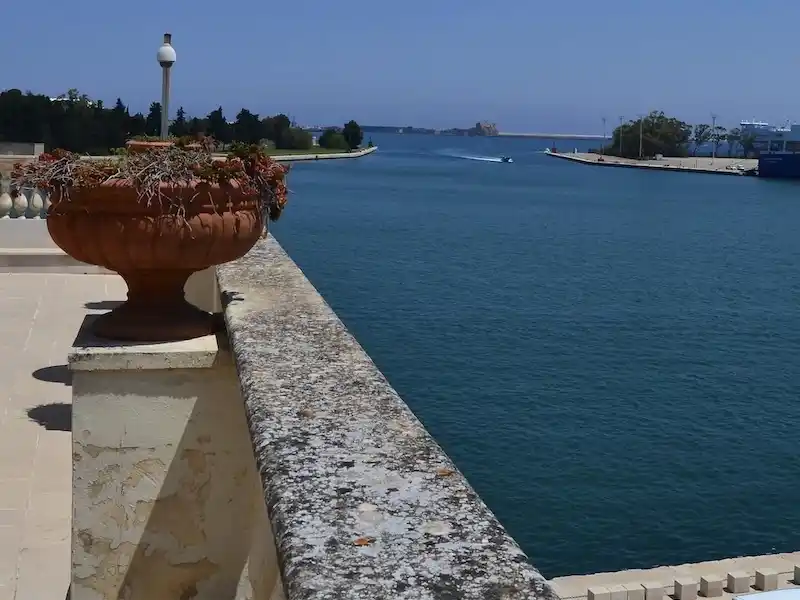
The activities take place inside the Palazzina del Belvedere on Lungomare Regina Margherita in Brindisi, home to the Faldetta Archaeological Collection, made up of 363 artefacts covering a time span from 1300 BC to the Roman era. The display by ceramic classes, arranged chronologically, is particularly suited to discovering the traditions and customs of the Ancient Greeks, pre-Roman populations and Ancient Romans who inhabited our territories.
Promoting and enhancing cultural heritage, raising awareness among younger generations, strengthening the museum-school-territory relationship and keeping cultural spaces alive. Support the activities of Associazione Le Colonne and the projects connected to PastPuglia through one of the channels below.